 டைம்லைன்
 தினமலர் டிவி
 Podcast
 iPaper
 சினிமா
 கோயில்கள்
 புத்தகங்கள்
 Subscription
 திருக்குறள்
 கடல் தாமரை
மார் 14, 2026 08:23 PM
மார் 14, 2026 08:23 PM

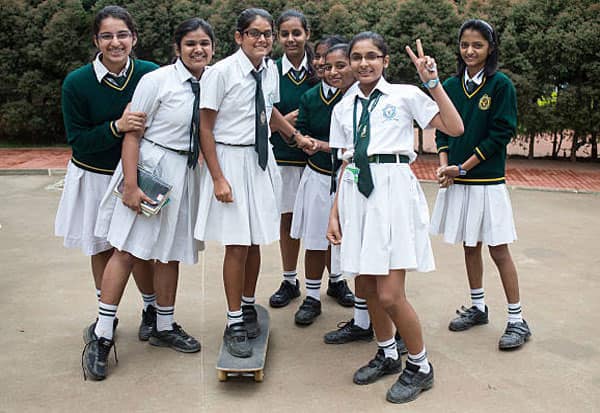
The foundation of a student's learning largely depends on the education board under which they study. India has several education boards, each with its own curriculum, teaching style and evaluation methods.
Central Board of Secondary Education (CBSE)
The primary goal of the Central Board of Secondary Education is to provide students with “comprehensive and dynamic education.”
CBSE is one of the most widely followed national education boards in India. It follows the curriculum developed by the National Council of Educational Research and Training.
The board adopts a continuous and comprehensive evaluation system, which focuses more on assessing students' understanding and application of concepts rather than rote memorisation.
Council for the Indian School Certificate Examinations (CISCE)
The Council for the Indian School Certificate Examinations aims to deliver quality education that helps students become responsible members of a humane and pluralistic society.
Its curriculum is broader and more detailed compared to CBSE, and equal importance is given to all subjects. The evaluation process also places significant emphasis on internal assessments and practical laboratory work.
Tamil Nadu State Board
The main objective of the Tamil Nadu School Education Department is to promote social justice and inclusive education.
The curriculum is designed to support students preparing for state government jobs and higher education within Tamil Nadu. It also preserves the state's history, language and culture while ensuring balanced learning and equal educational opportunities, particularly for marginalized communities.
By understanding the goals and features of each education board, parents can choose the most suitable option based on their children's future academic and career needs.

Advertisement